
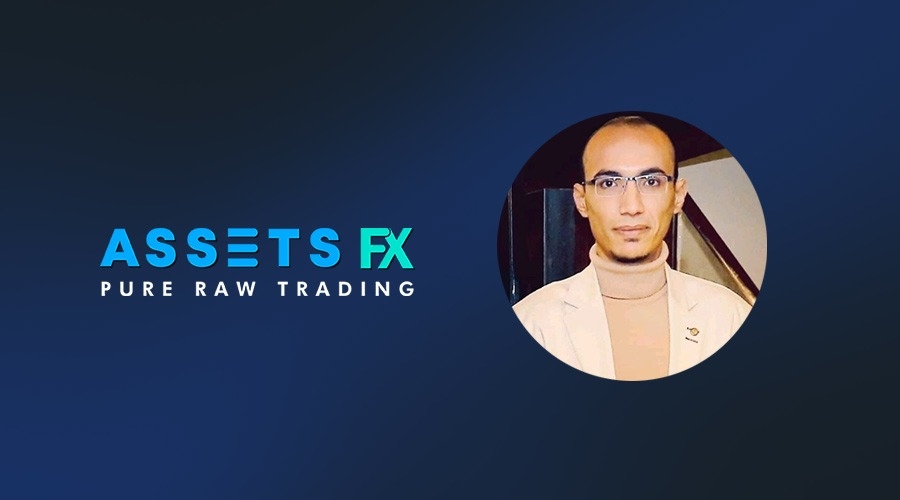
Waleed Salah Leaves OxSecurities, Joins AssetsFX as MENA Sales Head
ReadAssetsFX, an offshore contracts for differences (CFDs) broker, is tapping into the Middle Eastern market with the latest hiring of Waleed Salah as Head of Sales for the MENA region.According to his Linkedin profile, Salah joined the broker earlier this month and is based in Egypt.A Strong Background Working in the Middle EastSalah comes with extensive financial service industry experience. He worked for several well-known retail brokerage brands and helped them in strengthening their Middle East business, making him an expert in the region.He joined AssetsFX from OxSecurities, an ASIC ASIC The Australian Securities and Investments Commission (ASIC) is the prime regulator in Australia for corporate, markets, financial services, and consumer credit. It is empowered under the financial service laws to facilitate, regulate, and enforce Australian financial laws. The Australian Commission was set up and is administered under the Australian Securities and Investment Commission Act of 2001. ASIC was initially the Australian Securities Commission based on the 1989 ASC Act. Initially, the idea was to unite regulators in Australia by replacing the National Companies and Securities Commission and the Corporate Affairs offices. ASIC does not regulate business or register business structures, only business names. One of the unique features of the Australian regulator is that over 90% of its operating budget comes from fees and fines levies. These fees for service, including company registration fees and licensing fees for banks, brokers, and other financial institutions. What is ASIC Responsible For?The regulator is charged with protecting the public from financial fraud and to make sure the investor is knowledgeable and understands their involvement. To this end, the Commission provides a license to each Financial Services provider. ASIC tests and assesses the qualification and experience of Financial Advisors. An Australian financial services (AFS) licensee, an authorized representative, employee or director of an AFS licensee, or an employee or director of a related body corporate of an AFS licensee, is authorized to provide personal advice to retail clients concerning relevant financial products to retail clients ASIC monitors the behavior of Financial Advisors and can access fines and remove or suspend their license. The regulator also licenses all investment and trading companies doing business in Australia. One service of the most outstanding benefits is the Australian Market Regulation Feed. To monitor trading activity, brokers and market operators have to facilitate access to ASIC’s Integrated Market Surveillance System. This means brokers and other relevant bodies in the registry must allow daily access to: All orders, trades, and quotes that are processed and circulated by the trading engine All messages related to trading sessions, product price and status They are closely monitoring all online and day trading The Australian Securities and Investments Commission (ASIC) is the prime regulator in Australia for corporate, markets, financial services, and consumer credit. It is empowered under the financial service laws to facilitate, regulate, and enforce Australian financial laws. The Australian Commission was set up and is administered under the Australian Securities and Investment Commission Act of 2001. ASIC was initially the Australian Securities Commission based on the 1989 ASC Act. Initially, the idea was to unite regulators in Australia by replacing the National Companies and Securities Commission and the Corporate Affairs offices. ASIC does not regulate business or register business structures, only business names. One of the unique features of the Australian regulator is that over 90% of its operating budget comes from fees and fines levies. These fees for service, including company registration fees and licensing fees for banks, brokers, and other financial institutions. What is ASIC Responsible For?The regulator is charged with protecting the public from financial fraud and to make sure the investor is knowledgeable and understands their involvement. To this end, the Commission provides a license to each Financial Services provider. ASIC tests and assesses the qualification and experience of Financial Advisors. An Australian financial services (AFS) licensee, an authorized representative, employee or director of an AFS licensee, or an employee or director of a related body corporate of an AFS licensee, is authorized to provide personal advice to retail clients concerning relevant financial products to retail clients ASIC monitors the behavior of Financial Advisors and can access fines and remove or suspend their license. The regulator also licenses all investment and trading companies doing business in Australia. One service of the most outstanding benefits is the Australian Market Regulation Feed. To monitor trading activity, brokers and market operators have to facilitate access to ASIC’s Integrated Market Surveillance System. This means brokers and other relevant bodies in the registry must allow daily access to: All orders, trades, and quotes that are processed and circulated by the trading engine All messages related to trading sessions, product price and status They are closely monitoring all online and day trading Read this Term-regulated brokerage, where he was the Head of Sales for MENA for four months. He also held similar roles at Valuetrades, another forex and CFDs broker, for less than a year.Salah’s experience and exposure to the Arabic-speaking retail trading Retail Trading In finance, retail trading refers to individual traders, trading through a broker, or on a platform. This can include novice traders and experienced traders. Trading and investing are divided into two categories, retail and institutional. Institutions include investment banks like JP Morgan or Citibank and global central banks like the US Federal Reserve and the European Central Bank. When we talk about retail trading however, we usually are referring to forex trading, but there are retail traders in every market ranging from commodities to stocks. The forex market is by far the largest and has the most retail traders. Retail foreign exchange trading is a small segment of the broader foreign exchange market where individuals speculate on the exchange rate between different currencies. In 2020 it is estimated that the forex market will exceed 7 billion dollars in daily activity. Retail Trading Sector Continues to GrowThe retail sector has developed with the advent of dedicated electronic trading platforms and the internet, which have allowed individuals to access the global currency markets. In 2016, it was reported that volume from retail foreign exchange trading represents 5.5% of the whole foreign exchange market or $385 million in daily trading turnover. Individual retail traders can access the same trades as central banks and online financial institutions. The retail forex trading industry is growing every day with the advent of trading platforms and their ease of accessibility on the internet.Retail traders rely on brokerage services who provide access to markets in the form of comprehensive trading platforms. The most common of these are MetaTrader 4 (MT4) and MetaTrader 5 (MT5), which offer trading to forex, stocks, contracts-for-difference (CFDs), and other assets. In finance, retail trading refers to individual traders, trading through a broker, or on a platform. This can include novice traders and experienced traders. Trading and investing are divided into two categories, retail and institutional. Institutions include investment banks like JP Morgan or Citibank and global central banks like the US Federal Reserve and the European Central Bank. When we talk about retail trading however, we usually are referring to forex trading, but there are retail traders in every market ranging from commodities to stocks. The forex market is by far the largest and has the most retail traders. Retail foreign exchange trading is a small segment of the broader foreign exchange market where individuals speculate on the exchange rate between different currencies. In 2020 it is estimated that the forex market will exceed 7 billion dollars in daily activity. Retail Trading Sector Continues to GrowThe retail sector has developed with the advent of dedicated electronic trading platforms and the internet, which have allowed individuals to access the global currency markets. In 2016, it was reported that volume from retail foreign exchange trading represents 5.5% of the whole foreign exchange market or $385 million in daily trading turnover. Individual retail traders can access the same trades as central banks and online financial institutions. The retail forex trading industry is growing every day with the advent of trading platforms and their ease of accessibility on the internet.Retail traders rely on brokerage services who provide access to markets in the form of comprehensive trading platforms. The most common of these are MetaTrader 4 (MT4) and MetaTrader 5 (MT5), which offer trading to forex, stocks, contracts-for-difference (CFDs), and other assets. Read this Term market make him a desired candidate for international brokers for penetrating the MENA market. He also had a short three-month-long stint with BlackBull Markets as the Head of its Arabic Office.He entered the retail trading industry in 2008 as a Customer Service Representative. He also worked with brands like FBS, RoboForex, and USGFX, which stumped into troubles with regulatory setbacks.Apart from working with established FX brands, Salah also ran an educational platform around retail trading, according to his Linkedin profile.AssetsFX is registered in St. Vincent and the Grenadines, offering trading services with forex and CFDs of indices, commodities, and cryptocurrencies.Meanwhile, several international forex brokers are strengthening their presence in the MENA region, many with hirings and some establishing physical presence. Most recently, Cyprus and Germany-regulated GBE Brokers opened a representative office in Dubai.