
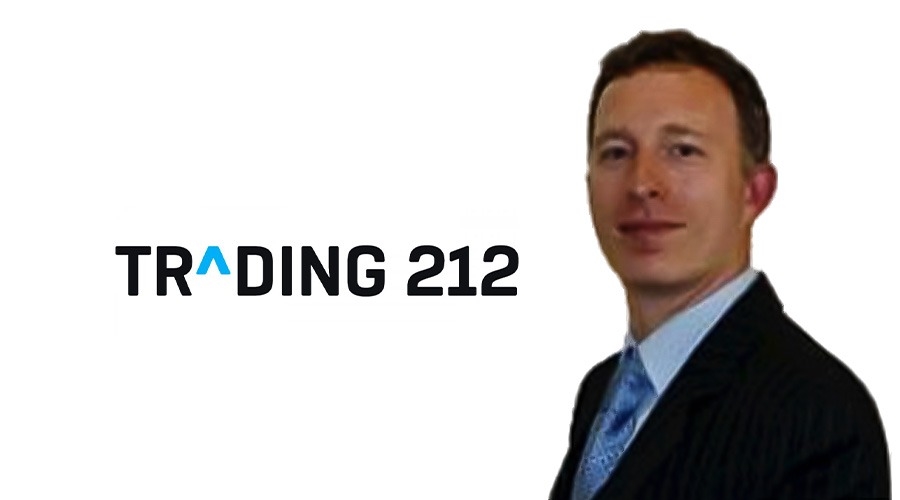
Trading 212 Hires Darren Dale as Group Chief Compliance Officer
ReadTrading 212, a retail broker holding multiple licenses, has strengthened its executive team with the latest onboarding of Darren Dale as the Group Chief Compliance Officer.The appointment came when the broker is in the process of gaining regulatory permission in Germany. It currently holds licenses in the United Kingdom, Bulgaria, and Cyprus.Dale is a seasoned compliance Compliance In finance, banking, investing, and insurance compliance refers to following the rules or orders set down by the government regulatory authority, either as providing a service or processing a transaction. Compliance concerning finance would also be a state of being following established guidelines or specifications. This designation can also encompass efforts to ensure that organizations are abiding by both industry regulations and government legislation. Understanding ComplianceCompliance is a system of checks and balances that prevents fraud and inefficiencies.Additionally, this also ensures cooperation with federal financial regulations with the ultimate goal of protecting the public and provide needed information to governmental agencies to stop fraud, money laundering, and terrorist funding. Compliance in the financial industry offers stability to the markets and serves to protect customers, workers, and taxpayers from ethical threats that are inherited in individual decisions.Many organizations are also obligated to track and store compliance data. This includes all data that is relevant or belongs to a company, brokerage, etc. that can be used for the purpose of implementing or validating compliance or regulatory reporting.Given shifting regulations and the importance of compliance, the use of advanced software is increasingly being implemented to help companies manage their compliance data more efficiently. This cache includes calculations, data transfers, and audit trails.While finance is a globally unified concept, compliance is not. Regulatory compliance varies across both industries and jurisdictions. For example, the financial regulatory structures of one country may be lacking or different in another. Of note, the most tightly regulated jurisdictions in terms of compliance in the forex industry include the United States, United Kingdom or most European Union countries, Australia, New Zealand, Canada, and others. In finance, banking, investing, and insurance compliance refers to following the rules or orders set down by the government regulatory authority, either as providing a service or processing a transaction. Compliance concerning finance would also be a state of being following established guidelines or specifications. This designation can also encompass efforts to ensure that organizations are abiding by both industry regulations and government legislation. Understanding ComplianceCompliance is a system of checks and balances that prevents fraud and inefficiencies.Additionally, this also ensures cooperation with federal financial regulations with the ultimate goal of protecting the public and provide needed information to governmental agencies to stop fraud, money laundering, and terrorist funding. Compliance in the financial industry offers stability to the markets and serves to protect customers, workers, and taxpayers from ethical threats that are inherited in individual decisions.Many organizations are also obligated to track and store compliance data. This includes all data that is relevant or belongs to a company, brokerage, etc. that can be used for the purpose of implementing or validating compliance or regulatory reporting.Given shifting regulations and the importance of compliance, the use of advanced software is increasingly being implemented to help companies manage their compliance data more efficiently. This cache includes calculations, data transfers, and audit trails.While finance is a globally unified concept, compliance is not. Regulatory compliance varies across both industries and jurisdictions. For example, the financial regulatory structures of one country may be lacking or different in another. Of note, the most tightly regulated jurisdictions in terms of compliance in the forex industry include the United States, United Kingdom or most European Union countries, Australia, New Zealand, Canada, and others. Read this Term expert, bringing around 17 years of industry experience to his new role. He joined Trading 212 from the London office of ADSS, where he was the Head of Compliance & MLRO for four years.His other work experience in the financial services industry includes a five months stint at FXCM as Deputy Head of Compliance for the UK and EU, and a couple of years at Cornhill Capital as the Head of Group Compliance. He was also the Head of Compliance at London-based City Credit Capital for seven months, as seen on his Linkedin profile.Executive Changes Came with GrowthTrading 212 has restructured its management in the past 18 months, and the hiring of Dale’s is a part of that. The broker appointed Mukid Chowdhury as the Chief Executive Officer in May 2021, followed by George Mantilas as Chief Operating Officer and Philip Parsons as Chief Financial Officer.Meanwhile, the performance of Trading 212 soared with the effects of the pandemic on the retail trading Retail Trading In finance, retail trading refers to individual traders, trading through a broker, or on a platform. This can include novice traders and experienced traders. Trading and investing are divided into two categories, retail and institutional. Institutions include investment banks like JP Morgan or Citibank and global central banks like the US Federal Reserve and the European Central Bank. When we talk about retail trading however, we usually are referring to forex trading, but there are retail traders in every market ranging from commodities to stocks. The forex market is by far the largest and has the most retail traders. Retail foreign exchange trading is a small segment of the broader foreign exchange market where individuals speculate on the exchange rate between different currencies. In 2020 it is estimated that the forex market will exceed 7 billion dollars in daily activity. Retail Trading Sector Continues to GrowThe retail sector has developed with the advent of dedicated electronic trading platforms and the internet, which have allowed individuals to access the global currency markets. In 2016, it was reported that volume from retail foreign exchange trading represents 5.5% of the whole foreign exchange market or $385 million in daily trading turnover. Individual retail traders can access the same trades as central banks and online financial institutions. The retail forex trading industry is growing every day with the advent of trading platforms and their ease of accessibility on the internet.Retail traders rely on brokerage services who provide access to markets in the form of comprehensive trading platforms. The most common of these are MetaTrader 4 (MT4) and MetaTrader 5 (MT5), which offer trading to forex, stocks, contracts-for-difference (CFDs), and other assets. In finance, retail trading refers to individual traders, trading through a broker, or on a platform. This can include novice traders and experienced traders. Trading and investing are divided into two categories, retail and institutional. Institutions include investment banks like JP Morgan or Citibank and global central banks like the US Federal Reserve and the European Central Bank. When we talk about retail trading however, we usually are referring to forex trading, but there are retail traders in every market ranging from commodities to stocks. The forex market is by far the largest and has the most retail traders. Retail foreign exchange trading is a small segment of the broader foreign exchange market where individuals speculate on the exchange rate between different currencies. In 2020 it is estimated that the forex market will exceed 7 billion dollars in daily activity. Retail Trading Sector Continues to GrowThe retail sector has developed with the advent of dedicated electronic trading platforms and the internet, which have allowed individuals to access the global currency markets. In 2016, it was reported that volume from retail foreign exchange trading represents 5.5% of the whole foreign exchange market or $385 million in daily trading turnover. Individual retail traders can access the same trades as central banks and online financial institutions. The retail forex trading industry is growing every day with the advent of trading platforms and their ease of accessibility on the internet.Retail traders rely on brokerage services who provide access to markets in the form of comprehensive trading platforms. The most common of these are MetaTrader 4 (MT4) and MetaTrader 5 (MT5), which offer trading to forex, stocks, contracts-for-difference (CFDs), and other assets. Read this Term market. The group’s generated £124.1 million in revenue in 2020, a jump of 318 percent year-over-year. Revenue from its UK business in 2021 also jumped by 74 percent to more than £94 million.The broker is operating as both a CFDs and a stockbroking platform, but is continuously shifting focus towards stockbroking. It further received a £13.75 million cash injection last year for boosting its growth.Following Brexit, Trading 212 also migrated European clients to its Cypriot-based entity, Finance Magnates reported earlier. It also launched zero-commission services in the UK in mid-2017, which now has become a trend in the trading industry.