NFTs Provide a Bridge Between Culture and Crypto for Newcomers Who Want to Leave Fiat
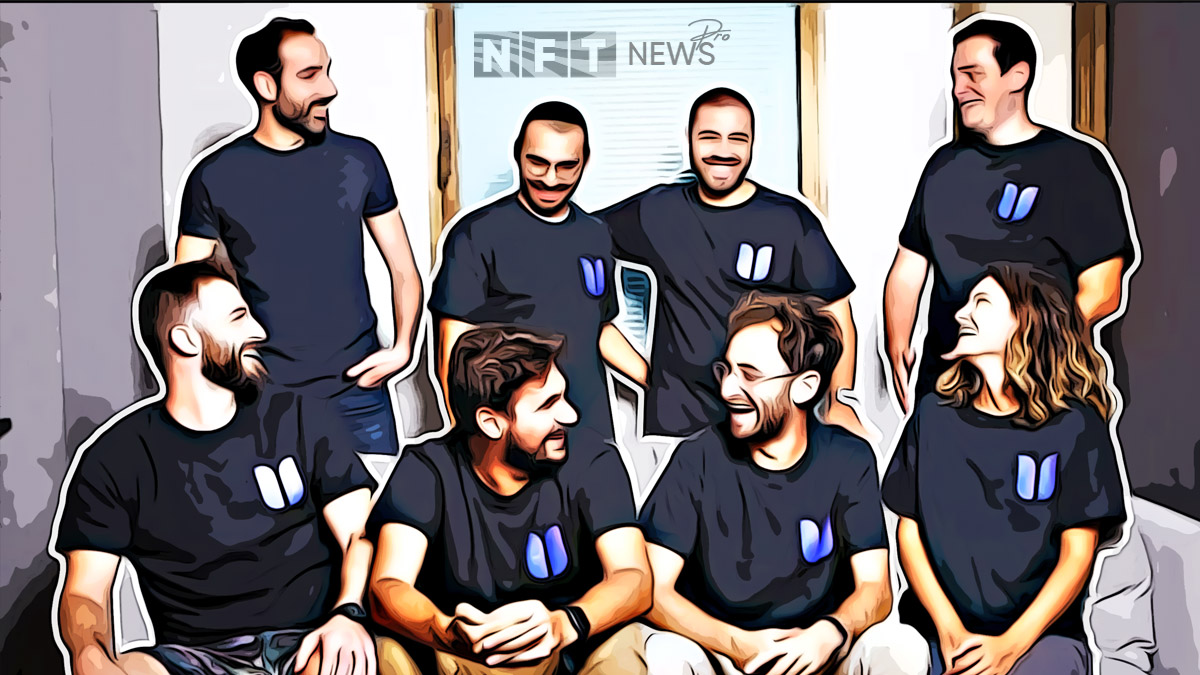
ReadDue to the nature of their technical architecture, NFTs are intrinsically linked to blockchain technology and the larger crypto ecosystem.This meant that in the early days of the technology there was a large overlap between the community of people who made and collected NFTs and those with an interest in cryptocurrency, which at the time was the main use case for blockchains.NFTs have gained popularity over the past several years among creators, gamers, marketers, and other people interested in owning digital goods. However, a number of players who had no interest in cryptocurrencies before are now confronted with Ethereum and other connected blockchains due to growing general recognition.According to Eytan Messika, co-founder and CEO of the French-Israeli cryptocurrency business Nilos, “NFTs were the bridge from culture to crypto.”Nilos, which this week (Sept. 21) announced a $5.2 million funding round, was founded as a platform to aid businesses with crypto-based revenue streams in converting their earnings into fiat currency in response to the observation that NFTs had brought a variety of “culture-type businesses” into the cryptocurrency market.He added that they are dealing with more than just the requirement to convert cryptocurrency into money. Along with making adopting NFTs into a company strategy more feasible and approachable for a variety of companies, artists, and freelancers, Nilos can also assist businesses with the necessary compliance monitoring and tax management required to deal with cryptocurrency.Even though the NFT movement served as a catalyst for Nilos, many ecosystem companies are generating only crypto incomes, according to Messika. She also noted that even in the decentralized finance (DeFi) sector, businesses have expenses that must be paid in fiat: “At some point, all of those companies need to have fiat payment and off-ramp their money.”Furthermore, he claimed that everyone must maintain both fiat and cryptocurrency treasuries, even “people who you would have never thought would need to off-ramp their money, like DAOs [decentralized autonomous organizations]”.Messika is of the opinion that present solutions do not meet the demands of smaller firms due to lengthy onboarding procedures and high-volume requirements, even if he accepts that there are other ways to convert cryptocurrency into fiat.Additionally, he added that while “crypto-friendly banks” can handle volumes in the hundreds of thousands, smaller businesses, freelancers, and artists require off-ramping at a different scale.He continued, noting that attempting to run everything through a platform like Kraken or Coinbase would make it incredibly challenging to maintain track of transactions. Cryptocurrency trading platforms, he continued, do not fit this demand either.In order to assist businesses in tracking their cryptocurrency revenues, Nilos steps in. In order to make managing crypto money as simple as managing fiat income, Messika stated, “The idea is to be able to unify different accounts and make sure that you have one single dashboard where you can see multiple incomes.”Messika continued by saying that managing a multi-crypto operation and managing numerous fiat currencies should be similar. The objective is to be as neutral as possible when it comes to various blockchain types.For instance, there has been a lot of focus on Ethereum, in part because it has played a key role in the growth of the NFT market thus far, but he claimed that Nilos has already extended to Polygon because it has allowed the business to scale and diversify its clientele.Messika ascribed the continued success of the Ethereum ecosystem to a “Lindy effect” in the ether market, which states that “the more something is already established in the market, the more it has the probability to last.”Finally, he claimed, everything comes down to trust.Messika observed the significant network effect in how Ethereum has developed itself and said it “still remains the most used and the most reliable chain [there is],” pointing to established groups of Ethereum developers, users, and miners.Latest NFT News, Trendings and Tutorials, right at your inbox, every Monday Leave this field empty if you're human: